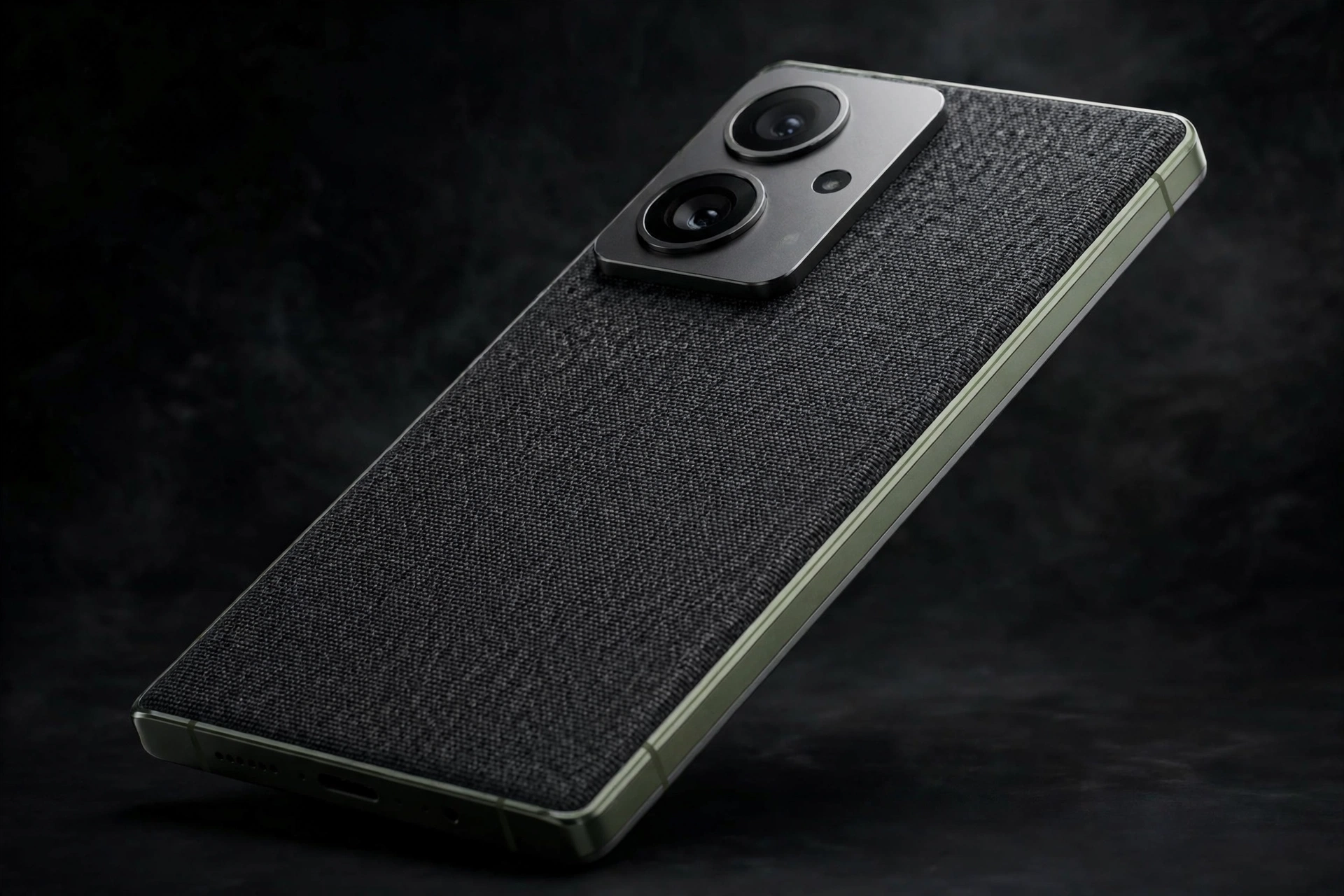
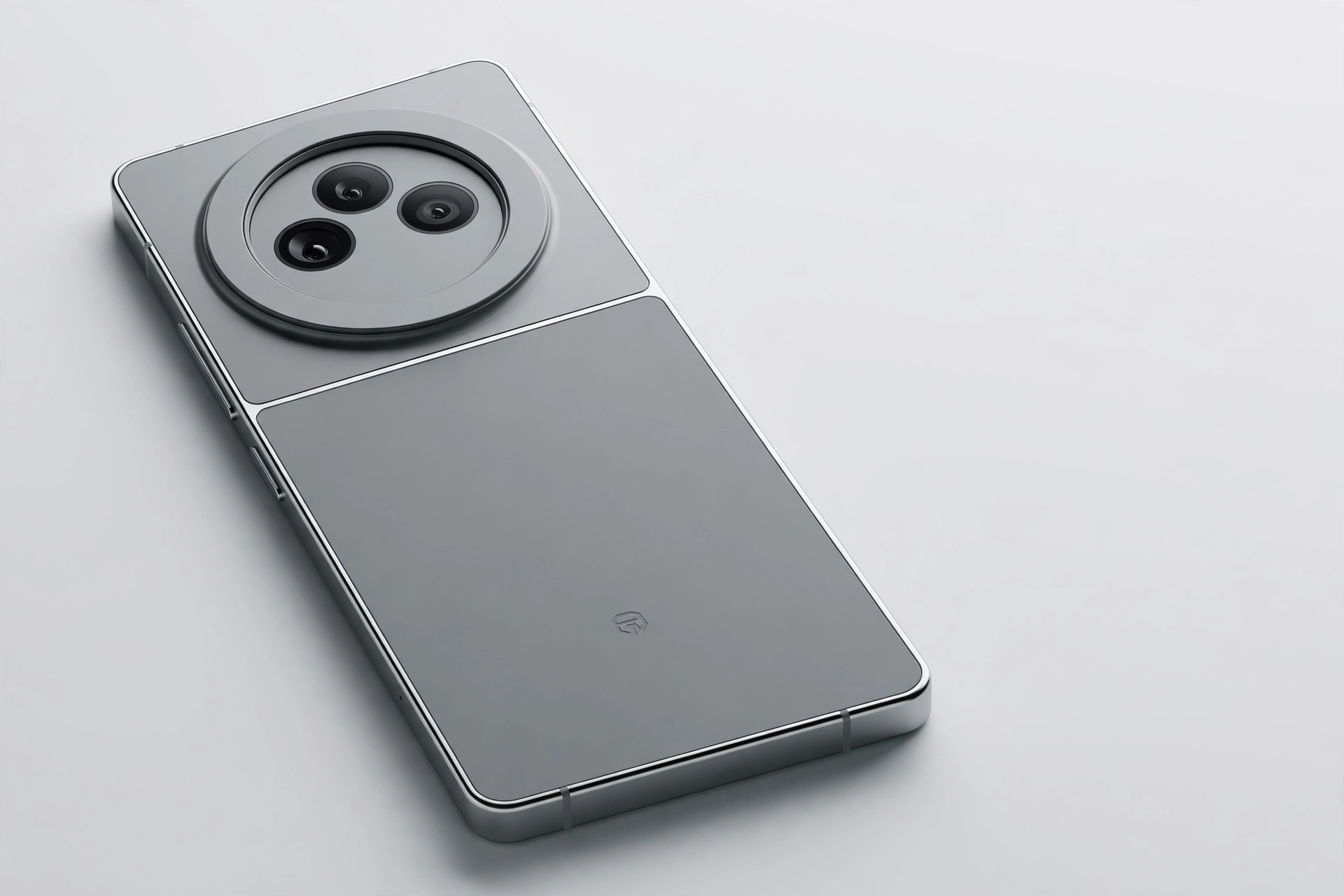
GSMArena’s OPPO Find X10 review starts with a surprise: the smaller phone in Oppo’s flagship pair could pass for the top model. The 6.59-inch Find X10 earned a superb all-round flagship verdict. The catch is the price.
This OPPO Find X10 review covers GSMArena’s lab measurements, its camera samples in daylight and at night, and where the phone falls short of its bigger sibling. Specs, lab results, and reviewer opinions are labelled separately throughout.
The short version is simple: a bright LTPO OLED display, a huge 8,000mAh battery, and a dual 200MP camera system in a compact body. GSMArena says a decent price cut would turn a tough sell into an easy recommendation.
The Short Version
- Display: 6.59-inch LTPO OLED, 1272p, 144Hz, Dolby Vision, HDR10+.
- Chipset: Dimensity 9600M (3nm), 12GB RAM, Android 17, ColorOS 17.
- Cameras: 200MP main, 200MP 2.8x tele, 50MP ultrawide, 50MP selfie.
- Battery: 8,000mAh (7,150mAh EU), 80W wired, 50W wireless.
- Build: Dual glass, IP66/IP68/IP69, Crystal Guard Glass, SGS rating.
- Connectivity: Wi-Fi 7, Bluetooth 6.2, NFC, infrared port.
- Launch price: €1,199 / £999; Amazon US lists it at $1,829.
- Verdict: Superb all-rounder; steep launch price is its main problem.
Why This One Matters
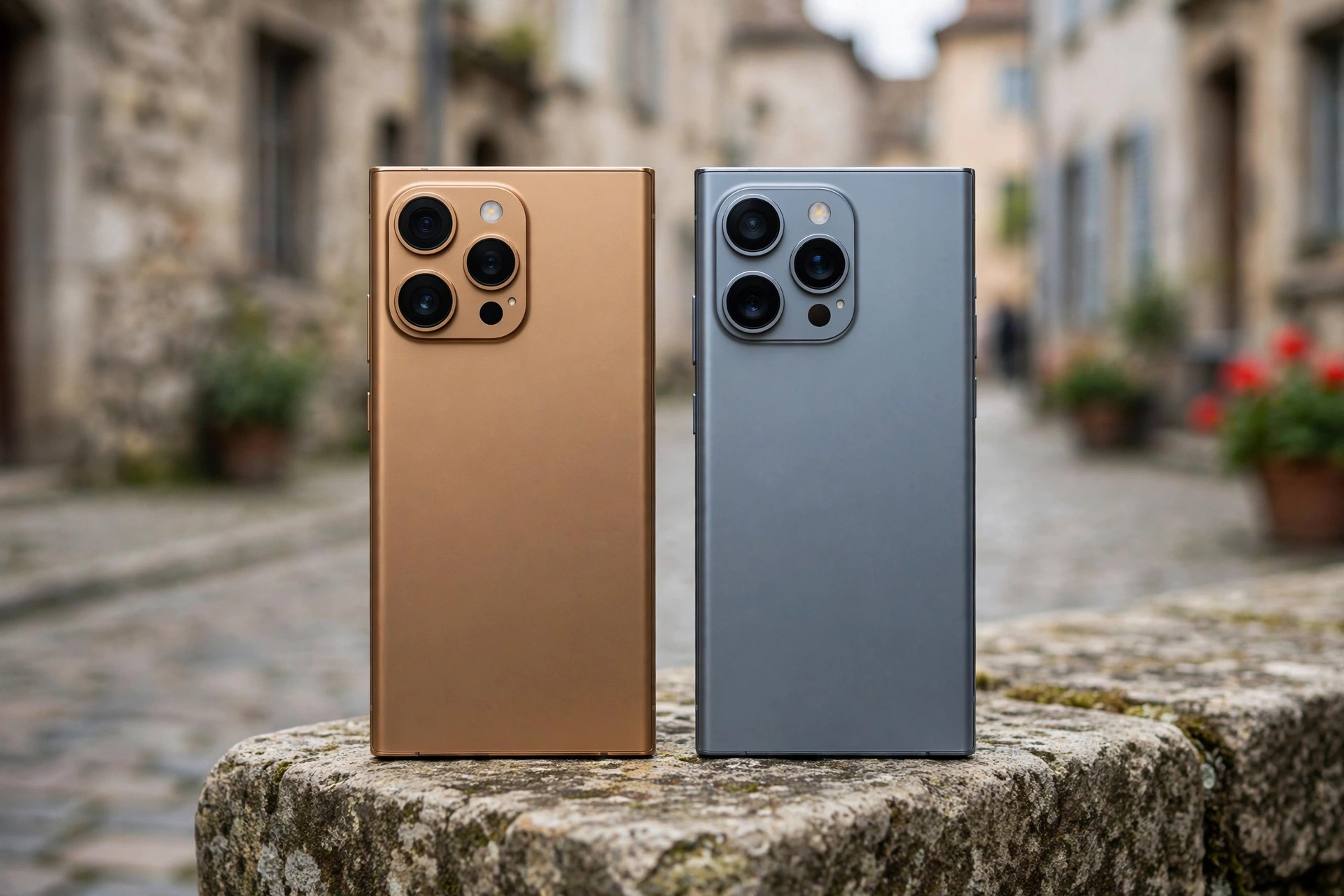
Compact flagships usually ask buyers to accept a compromise: a smaller battery, a weaker zoom camera, or a dimmer screen. The OPPO Find X10 review from GSMArena shows Oppo refusing most of those trade-offs. The standard model keeps the huge battery, the dual 200MP cameras, and the bright LTPO panel, while the Pro Max leads mainly on chip and camera reach. At 156.5 x 74.3 x 8.4 mm and 219 grams, it is 6mm taller and 5 grams heavier than the iPhone 18 Pro. The matte dual-glass body comes in Glacier Blue, Glow Coral, and Mist Grey, resists fingerprints, but feels slippery. Crystal Guard Glass, developed with Corning according to Oppo, protects the front, and the phone carries IP66, IP68, and IP69 ratings plus a five-star SGS drop-resistance certification.
OPPO Find X10 Review: Cameras in Daylight and After Dark
The camera system is where the OPPO Find X10 review spends most of its praise. The main camera uses a 200MP Samsung Isocell HPE sensor (1/1.4 inches, f/1.6, stabilization), the telephoto a 200MP Samsung HP5 (1/1.56 inches, 65mm f/2.6, 2.8x zoom), and the ultrawide and selfie cameras both use 50MP Samsung JN5 sensors.
In daylight, the main camera’s default 25MP photos were very good, and better than those from the X10 Pro Max: sharp, detailed, with excellent dynamic range and accurate white balance. The 12.5MP and 50MP modes were excellent too, though the full 200MP mode was hard to recommend.
The telephoto was the star of the daylight samples. At 2.8x, GSMArena called the photos quite superb, with fine detail, excellent dynamic range, and vibrant color. Even the 5.6x zoom shots stood up remarkably well.
The ultrawide did a respectable job, though it could not quite match the Pro Max ultrawide. Close-ups were the telephoto’s weak spot: its 21cm minimum focusing distance is more than twice the Pro Max’s 9cm. The optional Hasselblad Teleconverter Kit promises 11x optical zoom, but GSMArena had no X10 case for it.
Night results in the OPPO Find X10 review were mixed. The main camera captured very good photos with excellent dynamic range, though GSMArena noted a lack of absolute sharpness, and the Pro Max was notably sharper. The telephoto matched the Pro Max in the dark at both 2.8x and 5.6x. Selfies were top-class.
The OPPO Find X10 review found video to be the clearest flaw. Daytime footage from all three rear cameras was generally very good, and the main camera at 2x actually beat the Pro Max. At night, though, the Find X10 would not hold a steady 30fps, hovering between 22fps and 26fps on at least two software versions.
OPPO Find X10 Review: Display, Battery and Charging in the Lab
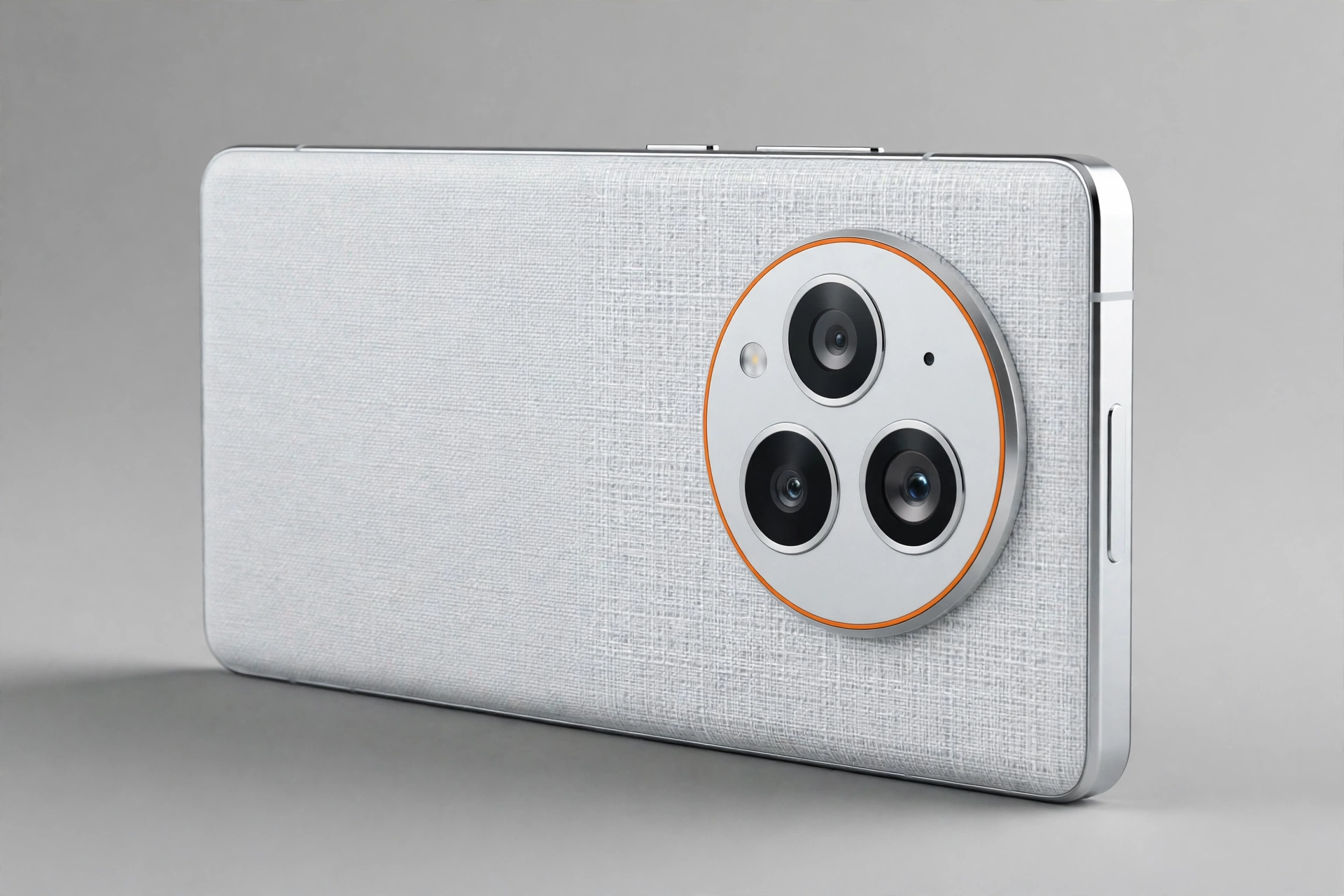
The display looks strong on paper, and the OPPO Find X10 review lab tests mostly backed that up. GSMArena measured 1,028 nits of maximum automatic brightness and a peak of 1,086 nits, short of Oppo’s advertised 2,000 nits HBM and 3,600 nits peak. In the Photos app, HDR patches reached 2,314 and 3,443 nits.
The 144Hz refresh rate comes with a catch. In Auto mode the panel drops to 1Hz when idle and rises to 120Hz in most cases, while Google Maps and Chrome are capped at 90Hz. The 144Hz mode is reserved for certain games, so 120Hz is the maximum in everyday use.
Battery life was the phone’s biggest lab win in the OPPO Find X10 review. With its 8,000mAh global battery, the Find X10 posted an Active Use Score of 25 hours and 21 minutes, a Top 5 result. A full charge took 70 minutes, reaching 29% in 15 minutes and 51% in 30 minutes.
OPPO Find X10 Review: Performance, ColorOS 17 and the Price Problem
Performance is strong without being chart-topping, in the OPPO Find X10 review’s words. The Dimensity 9600M is a 3nm chip with an all-big-core CPU, one C1-Ultra core at 4.21GHz plus three C1-Premium and four C1-Pro cores, and a 12-core Mali-G1 Ultra GPU. GSMArena calls it a modest refresh of the Dimensity 9500 that scored about the same in testing. It trails the Dimensity 9600 Pro and Snapdragon 8 Elite Gen 5, but still shows impressive power.
ColorOS 17 on Android 17 brings five major OS updates and six years of security patches from launch day, according to GSMArena. The Living Flow design adds smoother animations and translucent elements, though the influence of Apple’s Liquid Glass is hard to miss. Gemini and Circle to Search are built in, and the AI Agent combines Gemini, Perplexity, and ChatGPT.
The OPPO Find X10 review puts the launch price at €1,199 or £999 for 12GB/256GB, and €1,399 or £1,149 for 12GB/512GB. Amazon US retailer listings run far higher, at $1,829 and $1,880, which are retailer prices rather than an official US MSRP. Rivals are tough: the cheaper Find X9, the more compact Xiaomi 17 with a stronger chip, the upcoming Xiaomi 18 Pro at about the same price, and the iPhone 18 Pro for buyers open to iOS.
What GSMArena Liked, and What It Did Not
GSMArena’s pros and cons list sums up the OPPO Find X10 review. Plus: premium design, durable build, excellent ingress protection, bright LTPO OLED, class-leading battery life, powerful chipset, and excellent cameras. Minus: expensive at launch, choppy low-light videos, and limited use for 144Hz.
Quick Answers
What did the OPPO Find X10 review conclude?
GSMArena called it a superb all-round flagship, but said its steep launch price makes it a tough sell. A decent price cut would make it an easy recommendation.
How good is the battery life?
GSMArena measured an Active Use Score of 25 hours and 21 minutes, a Top 5 result. The bundled 80W adapter reached 29% in 15 minutes and 51% in 30 minutes.
Is the camera better than the Pro Max camera?
Mostly it is close. In daylight the main camera was actually better than the Pro Max in GSMArena’s samples. The Pro Max pulls ahead at night, on ultrawide sharpness, on close-up focusing, and on low-light video.
The Takeaway
The OPPO Find X10 review verdict is clear: the Find X10 ticks just about every box on the flagship checklist, from its display and durable build to its cameras, battery life, and ColorOS 17 package. Only one shortcoming, the choppy low-light video, is a flaw in the phone itself rather than in its price tag.
In PetaTech24’s assessment, the decision comes down to timing. If you want a compact flagship with top-tier battery life, excellent daylight cameras, and top-class selfies, the Find X10 delivers today. If low-light video matters, or the price feels too high, wait for a price cut.
Sources
- GSMArena, Oppo Find X10 review
- GSMArena, Oppo Find X10 review: Lab tests
- GSMArena, Oppo Find X10 review: Competition and verdict
Score methodology: Lab-reviewer (LR) scores come from GSMArena’s controlled testing. Factory specs come from the manufacturer as listed by GSMArena. PetaTech24 performed no independent testing.